Right then, let’s talk diesel. If you’re a diesel engine owner, whether it’s for your truck, a tractor, or even a power generator that keeps the lights on, you know that keeping that engine purring is paramount. And a huge part of that is the fuel you’re feeding it. Now, I’m not saying you need to become a full-blown fuel chemist overnight, but knowing how to do some basic DIY testing on your diesel fuel can save you a world of pain – and a hefty chunk of cash to boot.
Why Bother Testing Your Diesel Fuel?
“Why should I bother?” I hear you ask. “Isn’t it just… diesel?” Well, that’s where you might be missing a trick. The diesel you buy from the pump is supposed to be clean and fit for purpose, but as it journeys from the refinery to your tank, things can go awry.
The Hidden Dangers of Contaminated Fuel
Contaminated diesel isn’t just a minor inconvenience; it can be a downright menace to your engine. We’re talking about things like water, sediment, and even tiny little microbes that can set up shop in your fuel tank. These unwelcome guests can wreak havoc, leading to a whole host of problems. We’re talking clogged fuel filters, damaged injectors, and in the worst-case scenario, a complete engine failure. Imagine that happening in the middle of a crucial job – not a fun prospect!
Saving Money and Your Engine
The good news is that a little bit of proactive testing can nip these problems in the bud. By catching issues early, you’re not only preventing costly repairs but also ensuring your engine runs efficiently. A clean fuel system means better fuel economy, smoother performance, and a longer lifespan for your beloved diesel.
Common Diesel Fuel Problems and Their Symptoms
So, what exactly are we looking for when we test our diesel? Let’s break down the most common culprits and how they might make themselves known.
Water Contamination:
Water is probably the most common and insidious enemy of diesel fuel. It can get in through condensation (think of that sweaty glass of iced water on a hot day – the same principle applies to your fuel tank!), or if you’ve accidentally put water into the tank. Diesel and water don’t mix, and that water can cause all sorts of grief.
Signs of Water in Your Fuel Tank
How do you know if water has paid a visit? Look out for:
- Rust and corrosion: Water can cause metal parts in your fuel system to rust.
- Poor engine performance: Spluttering, loss of power, or difficulty starting can all be signs.
- White smoke from the exhaust: Especially on startup, this can indicate water in the combustion chamber.
- Fuel filters clogging prematurely: Water can lead to increased bacterial growth and sludge.
Microbial Growth:
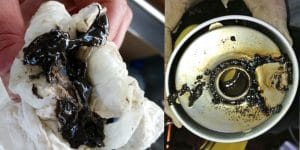
Yes, you read that right. Tiny living organisms, often called “diesel bug,” can thrive in the interface between diesel fuel and water in your tank. They feed on the fuel and create a slimy, sludge-like substance.
Identifying Diesel Bug
You might not see it directly, but you’ll often notice:
- Sludge or slime: This can be found in fuel filters or at the bottom of the tank.
- Corrosion: The by-products of microbial activity can be corrosive.
- Clogged fuel lines and filters: The sludge can easily block these vital components.
- A distinct, unpleasant smell: Sometimes described as rotten eggs or a strong, acrid odour.
Sediment and Debris: A Recipe for Disaster
Over time, even the cleanest fuel can pick up small particles of dirt or rust from the tank itself. These bits of grit can act like sandpaper on your fuel injectors and pumps, causing wear and tear. It’s like trying to run an engine with tiny bits of gravel in the oil – not ideal!
Fuel Gelling in Cold Weather
This is a seasonal issue, but a significant one for many. As temperatures drop, the wax crystals in diesel fuel can start to solidify, forming a gel-like substance. This blocks fuel filters and lines, preventing fuel from reaching the engine.
Essential Tools and Materials for DIY Diesel Testing
You don’t need a high-tech lab to do some basic checks. Here’s what you might find useful:
The Fuel Sample Jar
A clean, clear glass or plastic jar with a lid is your best friend here. It needs to be transparent so you can see what’s going on.
Basic but Brilliant: The Water Separator Test
Many diesel vehicles, especially trucks and agricultural equipment, have a built-in water separator. The drain at the bottom of this is often your easiest point of access for testing.
Beyond the Basics: Simple Chemical Tests (Optional)
For the more adventurous, there are simple test kits available online or at automotive stores that can detect water content or even microbial presence. These are a bit more involved but can give you more definitive answers. For now, we’ll focus on the visual and basic methods.
Step-by-Step Guide to Testing Your Diesel Fuel
Step 1: Safely Obtaining a Fuel Sample
Safety first, always! Fuel is flammable, so this needs to be done away from any open flames or sparks.
Where to Draw Fuel
The best place to get a representative sample is usually from the drain point of your fuel filter housing or water separator. If that’s not accessible, you might be able to use a dedicated sampling pump or draw a small amount from valve at the bottom of your fuel tank
Step 2: Visual Inspection – What to Look For
Once you’ve got your sample in a clean jar, let it sit for a few minutes. Then, hold it up to the light.
Clarity and Colour: The First Clues
Good diesel fuel should be a clear, slightly amber liquid. It shouldn’t be cloudy, milky, or have a distinct colour other than a light brown/amber hue. If it looks murky or has a strange colour, that’s a red flag.
Signs of Particulates and Emulsions
Look closely at the bottom of the jar. Do you see any dark specks, grit, or sediment? That’s debris. If the fuel looks layered or like it’s separating into distinct bands (especially with a hazy layer), it could indicate water contamination or an emulsion.
Step 3: The Water Test – Separating the Good from the Bad
This is where you confirm the presence of water.
Using Your Water Separator or a Jar
If you drained from your water separator’s drain, you’ve already done this! If you used a sample jar, let it sit undisturbed for at least 15-30 minutes. Water is denser than diesel and will sink to the bottom.
Interpreting the Results: Is There Water?
After settling, look at the bottom of the jar. If you see a clear layer of liquid that’s distinctly separate from the diesel above it, that’s water. It might be clear, or it could have a slightly cloudy or even rusty appearance if it’s been in contact with the tank for a while.
Step 4: Addressing Microbial Contamination (The Sniff Test)
This one’s a bit less scientific but can be quite telling. Take a gentle sniff of the fuel in your sample jar. Does it smell strongly of diesel, or is there a more pungent, acrid, or rotten-egg-like odour? That unpleasant smell can be a strong indicator of microbial growth. You might also see a slime or sludge at the bottom with the water layer.
Step 5: What if You Find Problems? Next Steps
Don’t panic! Most issues can be resolved.
- Water: Drain the water from your separator or tank. You might need to replace fuel filters. Consider using a fuel dryer additive.
- Sediment: Replace fuel filters. If severe, the tank might need professional cleaning.
- Microbial Growth: Use a biocide treatment designed for diesel fuel. This kills the existing microbes. Again, clean or replace filters and consider draining the tank if it’s bad.
- Gelling: If it’s cold weather, use a diesel anti-gel additive. You may need to warm the fuel lines and filter.
Preventative Measures: Keeping Your Diesel Healthy
Regular Fuel Filter Changes: Your First Line of Defence
This is non-negotiable. Follow your manufacturer’s recommended intervals for changing fuel filters. They are designed to catch the nasties before they reach your engine.
Fuel Stabilisers and Biocides: A Proactive Approach
Using a quality fuel stabiliser on a regular basis can help prevent degradation, especially if fuel sits for long periods and is not consumed. Biocides, used according to their instructions can prevent microbial growth before it becomes a problem.
Proper Fuel Storage: Especially for Reserve Tanks
If you store diesel in cans or drums, ensure they are clean, sealed, and stored away from direct sunlight and extreme temperatures. Avoid low fuel levels to minimize condensation forming on the inner tank walls which will drop into the fuel.
When to Call in the Professionals
While DIY testing is great for routine checks, there are times when you should seek expert help. If you’re finding persistent problems, suspect a major contamination issue, or are uncomfortable with any of the testing steps, don’t hesitate to contact a qualified diesel fuel cleaning service. They have the tools and expertise to diagnose and fix more complex fuel system problems.
Conclusion: Empowering Your Diesel Maintenance
So there you have it! Testing your diesel fuel doesn’t require a shed full of fancy equipment. A few simple checks can give you peace of mind and help protect your valuable diesel engine from costly damage. By being a little more aware and proactive, you’re investing in the longevity and performance of your machinery.
Frequently Asked Questions (FAQs)
How often should I test my diesel fuel?
For regular use, a visual check every few months or when you notice performance changes is a good idea. If your vehicle sits for long periods or operates in challenging conditions (like high humidity), more frequent checks might be beneficial.
What’s the best way to remove water from my diesel tank?
The first step is to drain any visible water from the bottom of your fuel filter or water separator. If the contamination is significant, you may need to have the entire tank professionally drained and cleaned. Using a diesel fuel dryer snake can also help absorb water and fuel additives may help disperse the water.
Are there any home remedies for diesel fuel contamination?
While some suggest adding odd things it’s generally not recommended as it can cause more harm than good and potentially damage your fuel system or void warranties. Stick to commercially available, purpose-made diesel additives like biocides, stabilisers, and dryer treatments.
Does diesel fuel expire?
Diesel fuel doesn’t strictly “expire” but it does degrade over time. If left sitting for extended periods (over a year), it can lose its lubricity, become contaminated with water due to condensation, and microbial growth can occur. This degraded fuel can cause poor performance and engine issues.