While many factors can cause engine trouble, one of the most common and often overlooked culprits is bad diesel fuel. You don’t need a lab test or a mechanic to get a good idea of your fuel’s basic quality. You can perform a DIY check right on your own.
Why Bother Checking Your Diesel Fuel Quality?
Bad fuel can lead to clogged filters, damaged injectors, corrosion, and ultimately, a very expensive repair bill and downtime. Regular, simple checks can be your first line of defence, saving you from unexpected breakdowns and costly repairs.
The Visual Inspection: What Your Eyes Can Tell
A simple visual inspection can give you a lot of information. It’s the most straightforward way to start, and often, the problems are right there for you to see.
Color and Clarity: The First Clues
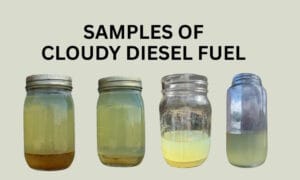
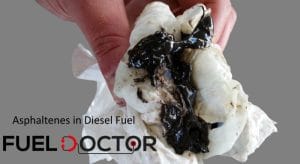
Ideally, fresh diesel fuel should be a clear, slightly yellowish or straw-like color. Dyed fuel should represent its respective color. If you’re seeing a dark, murky hue, that’s a red flag. This discoloration often indicates the presence of contaminants, oxidation, or past it’s best use by age.
Sediment, Water and Particulates
Grab a clean, clear container (a glass jar or a plastic bottle works great) and some fuel from your tank. Swirl the fuel around in the container. Let it sit for 10 minutes. Do you see any visible particles or water settling at the bottom?
Microbial Tests
Fresh diesel fuel has a clean, somewhat oily smell. If the fuel smells strongly of rotten eggs, vinegar, or anything distinctly “off” and acrid, it’s likely contaminated. A sour or fermented smell can indicate microbial growth but it does not confirm to a level of accuracy that you have problems.
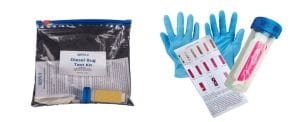
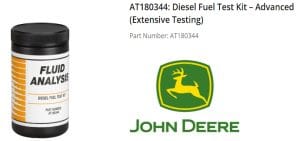
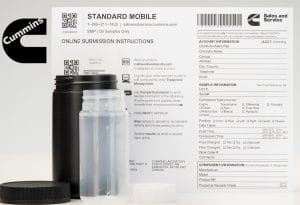
Dipslides can be used to detect bugs, the problem with them is they need to be incubated at a specific temperature to work. They can also can give false positive and false negative results that we found in our testing of them.
Water is one of the biggest enemies of a diesel engine. It doesn’t mix well with fuel and can cause rust, corrosion, damaged pumps / injectors and freezing issues in cold weather.
The ‘Water Finding Paste’ Method
You can find Kolor Kut water finding paste at auto parts stores or online. You dip a paste-coated rod into your fuel tank. If water is present, the paste will change color where it comes into contact with the water. It’s a very reliable way to check water levels at the bottom of your tank. NB: It does not check for emulsified water; it only detects water in very large quantities.
The Wix Test Kit Method
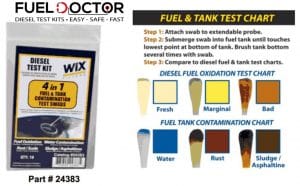
Wix make some basic and cheap test kits that will detect water in diesel. Like the water finding paste methods this test only detects water in large amounts.
While these DIY checks are fantastic for routine maintenance and catching early problems, there are times when you need to bring in the experts. If your DIY tests reveal significant contamination, if your engine is exhibiting serious symptoms that you can’t diagnose, or if you’re simply uncomfortable performing the checks, it’s time to consult a qualified diesel mechanic. They have specialized equipment and expertise to diagnose and fix complex fuel system issues.
Preventative Measures: Keeping Your Fuel Clean
Use reputable fuel stations: Stick to well-known brands and stations with high turnover.
Keep your tanks full (when possible): This minimizes the amount of air in the tank, reducing condensation.
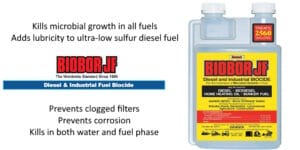
Use a fuel additive: High-quality diesel additives can help prevent water buildup, keep injectors clean, and prevent microbial growth.
Regularly change your fuel filters: This is your engine’s primary defence against contaminants.
Inspect your fuel cap and filler neck: Ensure they are clean and sealing properly to prevent dirt and water ingress.
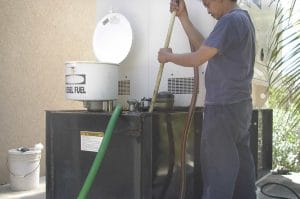
Draining: If you have a drain valve on tank or filtration system remove any water from here on a regular basis.
Q1: How often should I test my diesel fuel for water?
A1: It’s a good idea to perform a DIY test every few months, especially if you live in a climate with significant temperature fluctuations (which can increase condensation) or if you suspect your fuel source might be unreliable. For heavy-duty or commercial vehicles and equipment, more frequent testing might be advisable.
Q2: Can I just drain the water from my fuel tank myself?
A2: In many cases, yes. If you have a drain plug on your fuel tank and can safely access it, you can drain off the water. However, if the contamination is severe or you’re unsure, it’s best to have a mechanic drain and flush the system.
Q3: What’s the difference between condensation and actual water contamination?
A3: Condensation is water that forms from moisture in the air inside the fuel tank as temperatures change. It’s a common issue in high humidity conditions. Actual water contamination usually refers to water getting into the fuel from an external source, like a faulty fuel delivery or a contaminated refill. Both are problematic, but external contamination can be more severe.
Q4: Are their diesel fuel additives that remove water safe to use?
A4: Yes, generally. Many reputable diesel fuel additives are designed to safely break down or absorb small amounts of water. Look for additives that contain demulsifiers and biocides. However, they are not a cure-all for significant water contamination; they are best used as general prevention or for minor issues.