Asphaltenes are complex molecular substances that can form in diesel fuel, leading to numerous challenges in engine performance and fuel system integrity.
These heavy organic compounds can precipitate (morph) out of the fuel, thus causing blockages in fuel filters and issues with other engine components.
However, with the right approach, you can effectively manage and remove asphaltenes from diesel fuel to ensure optimal engine performance and longevity. This article explores the causes of asphaltene formation and outlines strategies for their removal.
Understanding Asphaltenes
In diesel fuel asphaltenes can become unstable and precipitate out due to changes in temperature, pressure, or chemical composition. This results in the formation of sludge or sediment, which can adversely affect engine reliability.
Causes of Asphaltene Formation
Several factors can increase the formation of asphaltenes in diesel fuel:
1. Fuel Instability: Diesel fuel can become unstable over time, especially when exposed to extreme temperatures or when mixed with incompatible fuels. This instability can lead to asphaltene precipitation.
2. Oxidation: Exposure to oxygen can lead to the oxidation of fuel components, which may promote asphaltene formation.
3. Contaminants: The presence of contaminants such as water can accelerate asphaltene precipitation issues.
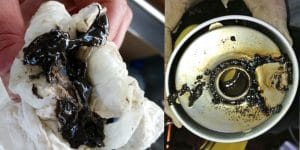
Asphaltenes Identification
Image below swabbed from the bottom of a very contaminated diesel tank.

Strategies for Asphaltene Removal
Removing asphaltenes from diesel fuel requires a combination of preventive measures and active treatments. Below are some effective strategies:
1. Fuel Additives
Fuel additives are one of the most common methods for managing asphaltene formation if not at a critical stage.
These additives like the Fuel Ox brand can stabilize asphaltenes, preventing them from precipitating out of the fuel and thus reducing their levels.
Here are a few types of additives that can be beneficial:
Dispersants:
These additives break down asphaltene clusters, keeping them suspended in the fuel and preventing sediment formation.
Detergents:
Detergents help clean fuel system components and prevent deposit build-up caused by asphaltenes.
Stabilizers:
These additives enhance the overall stability of the diesel fuel, reducing the likelihood of asphaltene precipitation.
2. Regular Fuel System Maintenance
Regular maintenance of the fuel system is crucial for preventing asphaltene related issues.
Fuel Filter Replacement:
Regularly replacing fuel filters can prevent clogs caused by asphaltene deposits.
3. Fuel Polishing / Tank Cleaning
Fuel polishing is a process that involves circulating diesel fuel through a series of filters to remove impurities, including asphaltenes.
This method is particularly useful for bulk fuel storage and ensures that the fuel is clean and stable before being used in engines.
Periodically cleaning the fuel tank removes accumulated asphaltene sludge and prevents recirculation into the fuel system.
In a critical stage of contamination this may be your only option.
4. Monitoring and Testing
Regular monitoring and testing of diesel fuel can help identify asphaltene content and prevent future issues. Fuel quality testing can detect early signs of instability, allowing for timely corrective actions before it gets really bad.
Key tests include:
Asphaltene Content Analysis:
Measures the concentration of asphaltenes in the fuel.
Stability Tests:
Assess the overall stability and likelihood of asphaltene precipitation.
Conclusion
Understanding the causes and employing effective removal strategies, you can minimize the impacts of asphaltenes.
Utilizing fuel additives, maintaining the fuel system, engaging in fuel polishing, and conducting regular monitoring and testing are all crucial steps in managing asphaltenes.
Implementing these measures will help ensure the longevity and efficiency of diesel engines, keeping them running smoothly and reliably.