by Robert Braun | Apr 25, 2025 | Resources
As the demand for diesel engines continues to grow even though the woke world hates them, it’s important to understand the top engine manufacturers in the industry.
In this guide, I’ll be introducing you to the top 5 largest diesel engine manufacturers in the world. We’ll dive into their histories, products, innovations, and future trends in the industry. By the end of this guide, you’ll have a comprehensive understanding of what each of these manufacturers has to offer and be able to make an informed choice when it comes to choosing a diesel engine manufacturer for your needs.
Intro to the Top 5 Diesel Engine Manufacturers
Diesel engines have been around for over a century, and the technology has come a long way since then. Today, diesel engines are used in a wide range of applications, from trucks and buses to generators and ships.
The top 5 largest diesel engine manufacturers in the world are Caterpillar, Cummins, MAN, Wärtsilä, and Rolls-Royce Power Systems. These companies have a long history of producing reliable and efficient diesel engines that are used in a variety of industries.
Caterpillar: History, Products, and Innovation
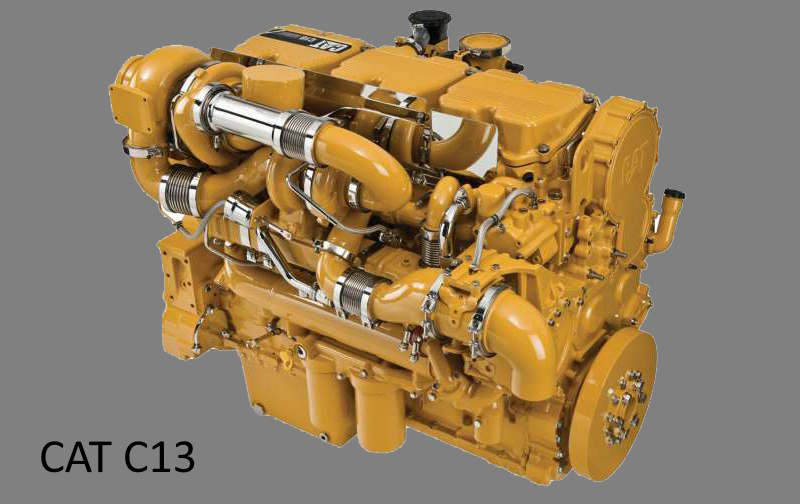
Caterpillar is one of the largest diesel engine manufacturers in the world, with a history that dates back to 1925. The company produces a wide range of diesel engines for use in various applications, including trucks, buses, generators, and marine vessels. Caterpillar is known for its innovative technologies, including its ACERT engine technology, which reduces emissions and improves fuel efficiency.
One of Caterpillar’s most popular diesel engines is the C13, which is used in a variety of applications, including heavy-duty trucks and buses. The C13 is a high-performance engine that delivers up to 525 horsepower and 1,750 lb-ft of torque. Caterpillar also produces a range of marine diesel engines, including the C280, which is used in large commercial vessels.
In terms of innovation, Caterpillar is constantly pushing the boundaries of diesel engine technology. The company is currently working on developing hybrid diesel-electric engines, which will further improve fuel efficiency and reduce emissions.

Cummins: History, Products, and Innovation
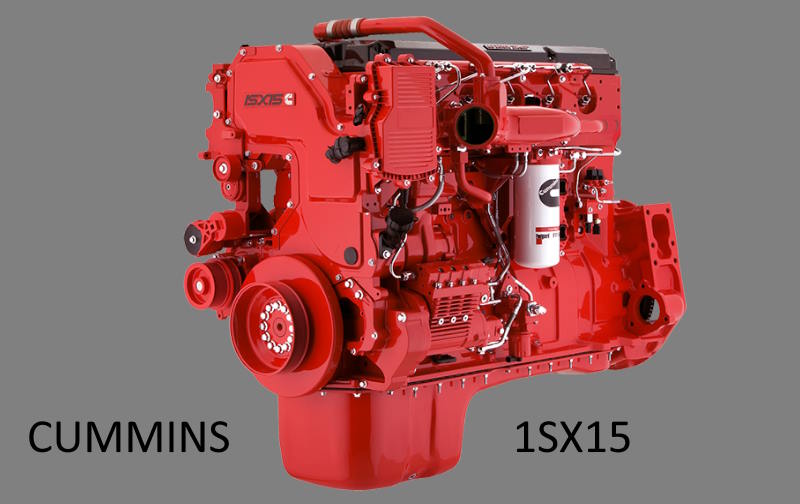
Cummins is another major player in the diesel engine industry, with a history that dates back to 1919. The company produces a wide range of diesel engines for use in various applications, including trucks, buses, generators, and marine vessels. Cummins is known for its high-performance engines, including the ISX15, which delivers up to 605 horsepower and 2,050 lb-ft of torque.
Cummins is also a leader in diesel engine innovation. The company was the first to introduce a diesel engine with an electronically controlled fuel system, which improved fuel efficiency and reduced emissions. Cummins is also working on developing natural gas engines, which will provide an alternative to diesel engines in the future.
MAN: History, Products, and Innovation
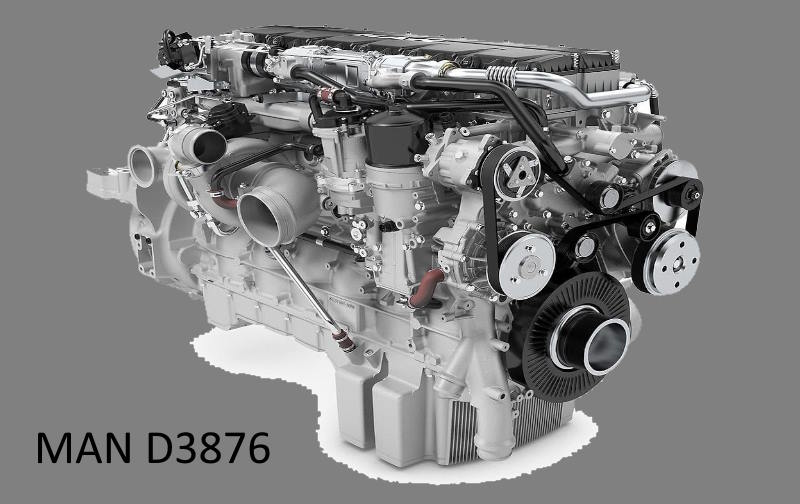
MAN is a German manufacturer of diesel engines, with a history that dates back to 1758. The company produces a wide range of diesel engines for use in trucks, buses, and marine vessels. MAN is known for its high-performance engines, including the D38, which delivers up to 1,000 horsepower and 3,500 Nm of torque.
In terms of innovation, MAN is working on developing hybrid diesel-electric engines, which will further improve fuel efficiency and reduce emissions. The company is also developing natural gas engines, which will provide an alternative to diesel engines in the future.
Wärtsilä: History, Products, and Innovation
Wärtsilä is a Finnish manufacturer of diesel engines, with a history that dates back to 1834. The company produces a wide range of diesel engines for use in various applications, including marine vessels and power plants. Wärtsilä is known for its innovative technologies, including its dual-fuel engine technology, which allows engines to run on both diesel and natural gas.
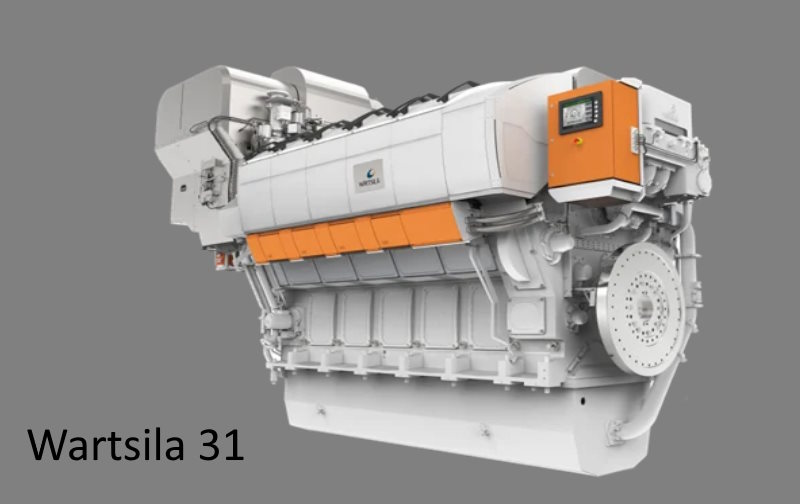
One of Wärtsilä’s most popular diesel engines is the 31, which is used in a variety of marine vessels. The 31 is a high-performance engine that delivers up to 12,000 kW of power. Wärtsilä is also working on developing hybrid diesel-electric engines, which will further improve fuel efficiency and reduce emissions.
Rolls-Royce Power Systems: History, Products, and Innovation
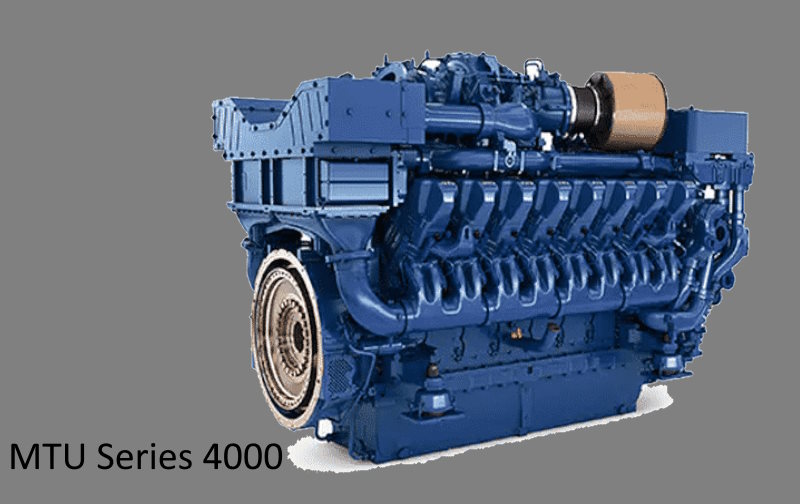
Rolls-Royce Power Systems is a British manufacturer of diesel engines, with a history that dates back to 1904. The company produces a range of diesel engines for use in various applications, including marine vessels, power plants, and trains. Rolls-Royce Power Systems is known for its innovative technologies, including its MTU Series 4000 engine, which delivers up to 4,300 kW of power.
In terms of innovation, Rolls-Royce Power Systems is working on developing hybrid diesel-electric engines, which will further improve fuel efficiency and reduce emissions. The company is also developing natural gas engines, which will provide an alternative to diesel engines in the future.
Comparison of the Top 5 Diesel Engine Manufacturers
When it comes to choosing a diesel engine manufacturer, there are several factors to consider. Each of the top 5 manufacturers has its strengths and weaknesses, so it’s important to compare them to find the one that best meets your needs.
In terms of innovation, Caterpillar and Cummins are both leaders in the industry. Caterpillar’s ACERT engine technology and Cummins’ electronically controlled fuel system are both examples of innovative technologies that have improved fuel efficiency and reduced emissions. Wärtsilä’s dual-fuel engine technology is also noteworthy, as it allows engines to run on both diesel and natural gas.
When it comes to performance, MAN and Rolls-Royce Power Systems both produce high-performance engines that deliver impressive power and torque. MAN’s D38 engine delivers up to 1,000 horsepower and 3,500 Nm of torque, while Rolls-Royce Power Systems’ MTU Series 4000 engine delivers up to 4,300 kW of power.
Factors to Consider When Choosing a Diesel Engine
When choosing a diesel engine manufacturer, there are several factors to consider. First and foremost, you need to consider the application. Different engines are designed for different applications, so it’s important to choose one that is specifically designed for your needs.
You also need to consider the performance of the engine. This includes factors like horsepower, torque, and fuel efficiency. Finally, you need to consider the reputation of the manufacturer. You want to choose a manufacturer that has a proven track record of producing reliable and high-quality engines.
Future Trends in the Diesel Engine Industry
The diesel engine industry is constantly evolving, and there are several trends that are shaping the future of the industry. One of the biggest trends is the shift towards hybrid diesel-electric engines.
These engines offer improved fuel efficiency and reduced emissions, making them an attractive option for many industries.
Another trend is the development of natural gas engines. As the demand for cleaner fuels continues to grow, natural gas engines are becoming an increasingly popular alternative to diesel engines.
Conclusion
Choosing the right diesel engine manufacturer is an important decision that will have a significant impact on the performance and efficiency of your equipment.
By understanding the top 5 largest diesel engine manufacturers in the world, you’ll be able to make an informed choice that meets your needs.
Whether you’re looking for high performance, innovative technologies, or a reliable reputation, there’s a diesel engine manufacturer out there that can meet your needs from our top 5 list.
by Robert Braun | Oct 26, 2024 | Resources
In this guide, we will cover everything you need to know about diesel fuel storage including the factors that affect lifespan, the degradation process, how long diesel fuel lasts in storage, best practices for storage, common mistakes to avoid, testing fuel in storage and how to extend the lifespan of diesel fuel in storage.
Introduction to Diesel Fuel Storage
Diesel fuel storage is the process of storing fuel for future use or not using it due to the machine or equipment is not being used like in a backup generator.
It is essential to ensure that the stored fuel remains in good condition for an extended period. Storage is common in many industries including construction, power generation, mining, marine and transportation industries.
Storage is necessary for some as it can be challenging to transport diesel fuel to remote locations at certain times of the year. Also, fuel prices can fluctuate, and storing diesel fuel can help reduce costs for operators.
Storing fuel requires proper planning and precautions to ensure the fuel remains in usable condition. It is essential to understand the factors that affect fuel storage lifespan and the degradation process of fuel to determine how long diesel fuel lasts in storage.

How Long Does Diesel Fuel Last in Storage?
As per BP data diesel fuel can be expected to stay in a useable condition for:
- 12 months or longer at an ambient of around 20ºC.
- 6-12 months at an ambient temperature higher than 30ºC.
12 months usually is about when diesel will start to degrade in storage under most conditions. It is essential to test the quality of diesel fuel regularly to ensure it remains in good condition once you get to this 12 month period and beyond.
Your fuel may be good to use for up to 24 months if maintained correctly. If the diesel fuel shows signs of degradation at any time, it should be replaced, cleaned or treated with additives to extend lifespan in storage.

Factors that Affect Diesel Fuel Storage Lifespan
The lifespan of diesel fuel in storage is affected by several factors, including temperature, humidity, exposure to air, and the quality of the diesel fuel.
Temperature
Temperature is a crucial factor that affects the lifespan of diesel fuel in storage. Diesel fuel should be stored at a temperature between 10°C and 25°C. Higher temperatures can cause the fuel to break down, leading to the formation of sediment and sludge. It can be impossible though to store at these temperatures due to climatic conditions so more regular maintenance may be required in some situations.
Humidity
Humidity is another factor that affects the lifespan of diesel fuel in storage. High humidity can cause water to condense on the inner tank walls leading to microbial growth and corrosion when this water enters the fuel.
Quality of Diesel Fuel
The quality of the fuel is crucial to its lifespan in storage. Fuel should meet the required specifications, including the cetane number, sulfur content, and lubricity.
Poor quality fuel can lead to the early formation of sediment and sludge, reducing its lifespan in storage.

Understanding the Degradation Process
Diesel is a complex mixture of hydrocarbons that will degrade over time. The degradation process can lead to the formation of sediment and sludge, reducing the lifespan of diesel fuel in storage.
The degradation process begins when oxygen reacts with the hydrocarbons in fuel, leading to the formation of peroxides.
The peroxides can react with other hydrocarbons, leading to the formation of acids and other compounds. The acids can cause corrosion, while the compounds can cause the formation of sediment and sludge.
The degradation process can be accelerated by higher temperatures, exposure to air, and the presence of water in your fuel. It is important to take precautions to prevent these factors from affecting your fuel in storage.
Power Generator Tips
Generators used for emergency power can be problematic as they don’t run very often normally so the fuel will start to degrade. Consider exercising the generator on-load often to use the fuel in tank before it gets unusable.
Conclusion Diesel Fuel Storage
The lifespan of fuel in storage depends on several factors, including the quality of the fuel, the temperature, humidity, and exposure to air.
It is essential to follow best practices for fuel storage and avoid common mistakes to ensure the diesel fuel remains in good condition for an extended period.
Regularly testing the quality of diesel fuel in storage can help identify any degradation and take corrective action to extend its lifespan.
Generators used for emergency power can be problematic as if they don’t run often the fuel will start to degrade. Consider exercising the generator on-load often to burn fuel before it gets unusable.
Whether you are storing diesel fuel for personal or business use, following the guidelines outlined in this guide can help ensure that the fuel remains in good condition and ready for use when needed.
by Robert Braun | Oct 25, 2024 | Resources
As a leading provider of innovative fuel conditioning solutions, AXI International has been at the forefront of the fuel industry for over two decades.
The company has earned a reputation for excellence in fuel management, with a focus on improving fuel quality and reducing costs for it’s customers.
In this guide, we will explore the world of AXI International, including its history, product offerings, industry partnerships, commitment to sustainability, global presence and customer support / service.
History of AXI International
AXI International was founded over 20 years ago, they have a passion for improving fuel quality all over the planet
The company began as a small operation focused on the design and manufacture of fuel filtration systems for the diesel fuel industry.
Over time they have expanded product offerings to include a wide range of fuel conditioning solutions for a variety of industries, including marine, oil and power generation, and transportation.
Today, AXI International is a global leader in fuel management and maintenance solutions with a presence in over 100 countries worldwide.
AXI International Products Overview
AXI International offers a comprehensive range of fuel conditioning solutions designed to enhance fuel quality and reduce costs. The company’s products are designed to improve fuel performance, reduce breakdowns and lower emissions.
The company’s main product offerings include fuel polishing cleaning systems both mobile and fixed mounted units, fuel fill ports, day tanks, fuel additive agents, magnetic fuel conditioners and various other fuel related maintenance products.
AXI International’s most popular items are fuel filtration systems that are designed to remove contaminants from fuel in the form of a automated permanently mounted system or a mobile go anywhere system.
AXI International Industry Partnerships
AXI International has established partnerships with a number of industry leaders to ensure its products meet the highest standards of quality and performance.
The company’s strategic partnerships include collaborations with leading fuel additive manufacturers, fuel testing laboratories, and fuel system integrators.
By working closely with these partners they are able to develop and deliver innovative fuel conditioning solutions that meet the evolving needs of its customers.
AXI International’s Commitment to Sustainability
At AXI International, sustainability is a core value that informs every aspect of the company’s operations.
The company is committed to reducing its environmental impact through the development of energy-efficient products, the implementation of sustainable manufacturing practices, and the promotion of sustainable fuel management practices among its customers.
AXI International’s commitment to sustainability is reflected in its product offerings, which are designed to reduce fuel consumption and emissions, as well as its global initiatives to promote sustainable fuel management practices.
AXI International’s Global Presence
AXI International has a global presence, with a network of distributors and partners in over 100 countries worldwide.
The company’s headquarters are located in the quiet coastal town of Fort Myers, Florida, and it has additional dealers in Europe, Asia / Pacific and many other countries.
AXI International’s global reach enables it to deliver innovative fuel management solutions to customers around the world, and its commitment to customer service ensures that customers receive the support they need to operate their fuel systems with confidence.
AXI International’s Customer Support and Service
Their customer support and service are top priorities. The company’s experienced team of engineers and technicians are available to provide expert support and assistance to customers, including on-site installation and training, remote troubleshooting, and ongoing maintenance and repair services.
AXI International’s commitment to customer support and service ensures that customers have the resources they need to keep their fuel systems operating at peak performance.
AXI International in the News
AXI International is often in the news for its innovative fuel management solutions and its commitment to sustainability.
Recent news stories have highlighted the company’s expansion into new markets, its partnerships with industry leaders, and its initiatives to promote sustainable fuel management practices.
AXI International is also frequently featured in industry publications and trade shows, where it showcases its latest products and technologies.
Conclusion
In conclusion, AXI International is a global leader in fuel management solutions, with a focus on improving fuel quality and reducing costs.
The company’s innovative product offerings, industry partnerships, commitment to sustainability, global presence, and customer support and service make it a trusted partner for customers around the world.
Whether you are in the aviation, marine, oil and gas, power generation, or transportation industry, AXI International has a fuel conditioning management solution that can meet and exceed your needs.
No matter if you need a magnetic fuel conditioner, a mobile fuel polishing system or some free diesel fuel maintenance advice AXI International are the people to talk with.
Get the latest detailed information on AXI International – View official website here
by Robert Braun | Oct 25, 2024 | Resources
For several reasons we presently do not sell or recommend the dipslide type fuel bug test – please see our high performance test kits here for diesel bugs.
As a diesel engine owner, you know that keeping your engine running smoothly is of the utmost importance. One of the biggest threats to your engine’s health is diesel bug.
Diesel bug is a term used to describe microbial growth in diesel fuel that can cause a range of problems for your engine.
Fortunately, there is a simple way to test for diesel bug growth: the diesel bug dipslide test which checks for bacteria, fungus and moulds.
Using a dipslide is not the best method for microbial fuel testing but we will discuss this method below as matter of reference.
Introduction to Diesel Bug
Diesel bug is a common problem in diesel fuel systems. It occurs when microorganisms, such as bacteria and fungi, grow in the fuel.
This growth can cause a range of problems, including clogged filters, reduced fuel efficiency, and even engine failure.
Diesel bugs can also lead to corrosion in the fuel system, which can cause leaks and other issues.
The problem with diesel bug is that it is often difficult to detect. The growth can occur in the fuel without any visible signs, and it can take some time before the effects are noticeable.
This is why it is important to test your diesel fuel regularly for signs of diesel bug growth.

What is a Diesel Bug Dipslide Test?
A diesel bug dipslide test is a simple and effective way to test for microbial growth in diesel fuel.
The test involves taking a sample of the fuel and placing it on a dipslide, which is a small, plastic strip that is coated with a nutrient agar.
It’s then incubated for a period of time at a specific temperature, allowing any microorganisms present in the fuel to grow on the agar.
After the incubation period, the dipslide is examined for signs of microbial growth.
The dipslide will typically show visible signs of growth, such as colonies of bacteria, moulds or fungi.
The amount and type of growth can be used to determine the severity of the diesel bug problem.
Sample of Dipslide Bug Comparison Chart

Pros of Using Diesel Bug Dipslides
There are some benefits to using diesel bug dipslide tests to test your diesel fuel. One of the biggest benefits is that they are simple and easy to use.
Anyone can perform this test with minimal training or experience. Another benefit is that they are cost-effective, a single test can be performed for just a few dollars, making it an affordable way to ensure the health of your diesel engine.
Additionally, the tests may help you catch diesel bug growth early, before it causes significant damage to your engine.
Cons of Using Diesel Bug Dipslides
They have a small shelf life and must be used in a short amount of time.
You may need a special incubator machine.
Tests can often give false positive results.
Not as accurate as other types of fuel big test kits.
Importance of Regular Testing
Regular testing for diesel bug growth is important for the health of your diesel engine. If left unchecked, diesel bug growth can cause a range of problems that can be expensive and time-consuming to fix.
Regular testing can help you catch diesel bug growth early, before it causes significant damage to your engine.
It is recommended that you perform a diesel bug dipslide test or other microbial test at least once every six months, or more frequently if your engine is experiencing fuel problems.
By testing your diesel fuel regularly, you can ensure that your engine is running smoothly and efficiently.
How to Conduct a Diesel Bug Dipslide Test
Conducting a diesel bug dipslide test is a simple process that can be done in a few easy steps:
- Obtain a test kit from a reputable supplier.
- Take a sample of your diesel fuel using a clean, sterile container.
- Place the sample on the test according to the kit’s instructions.
- Incubate for the recommended time period which can be up to 4 days.
- Examine for signs of microbial growth.

Interpreting the Results of a Diesel Bug Dipslide Fail Test
Interpreting the results is relatively straightforward. If the dipslide shows no signs of microbial growth, then your diesel fuel is likely free of diesel bug.
If the test shows signs of microbial growth, then your diesel fuel has a diesel bug problem.
The severity of the diesel bug problem can be determined by the amount and type of growth on the test.
A small amount of growth may indicate a minor problem, while a large amount of growth may indicate a more serious problem.


Tips for Preventing Diesel Bug Growth
Preventing diesel bug growth is an important part of maintaining the health of your diesel engine. Here are some tips for preventing diesel bug growth:
- Keep your fuel tank topped up to reduce the amount of air in the tank.
- Use high-quality diesel fuel that is free of contaminants.
- Ensure water cannot get into your fuel.
- Use a biocide additive to kill off any microorganisms in the fuel.
- Perform regular fuel tests to catch any growth early.
Other Methods for Testing Diesel Fuel Quality
In addition to diesel bug dipslide tests, there are other methods for testing the quality of your diesel fuel.
These include: Water content tests, which can determine the amount of water present in your diesel fuel.
Finding the Right Diesel Bug Dipslide Test Kit
Finding the right diesel bug dipslide test kit is important for ensuring accurate and reliable results.
When choosing a kit, look for one that is designed specifically for diesel fuel testing and that is manufactured by a reputable supplier.
Additionally, make sure that the kit includes clear instructions for use and that it is easy to interpret the results.
Conclusion
Regular testing for diesel bug growth is a crucial part of maintaining the health of your diesel engine.
By using diesel bug dipslide tests (in some cases) you may be able catch growth early and take steps to prevent further damage to your fuel system.
NB: in our opinion dipslides are not the best way to test diesel fuel for microbial problems.
Remember to check you fuel regularly with high performance diesel fuel test kits and follow best practices for fuel storage and maintenance.
How to use video guide
by Robert Braun | Oct 21, 2024 | Resources
As a diesel engine owner, you may have experienced the frustration of your engine failing to start.
This can be a common issue that can be caused by a number of factors. In this blog post, I will discuss the five most common reasons why your diesel engine is hard starting and how to fix it.
Understanding the diesel engine
Before we dive into the reasons behind hard starting, it is important to understand how a diesel engine works.
Unlike a gasoline engine that uses spark plugs to ignite the fuel, a diesel engine relies on compression to ignite the fuel. The air is compressed in the combustion chamber, and as a result, the temperature increases, causing the diesel fuel to ignite.
Common reasons for hard starting
There are several reasons why your diesel engine may be hard starting. These include:
Air intake and exhaust system failures
The air intake and exhaust systems are responsible for supplying air to the engine and removing exhaust gases. If there is a problem with either of these systems, such as a clogged air filter or a blocked exhaust pipe, the engine may not receive enough air to start.

Fuel system issues
One of the most common reasons why your diesel engine may be hard starting is due to fuel system issues.
If there is a problem with the fuel system, such as a clogged fuel filter or a faulty fuel pump, the engine may not receive enough fuel to start. In addition, diesel fuel can also accumulate water, which can cause a host of problems, including hard starting.
Battery and starter problems
Another reason why your diesel engine may be hard starting is due to battery and starter problems. If the battery is weak or the starter is faulty, the engine may not have enough power to start. As a result, you may hear a clicking sound when you turn the key in the ignition.
Glow plug malfunctions
Glow plugs are used to heat the air in the combustion chamber, which is necessary for diesel fuel to ignite. If the glow plugs are faulty or worn out, they may not heat the air properly, which can cause hard starting.

Regular maintenance and preventative measures
Regular maintenance and preventative measures can go a long way in preventing hard starting. This includes changing the oil and oil filter, replacing the fuel filter, and checking the battery and starter.
Troubleshooting your diesel engine
If you are experiencing hard starting with your diesel engine, there are several troubleshooting steps you can take. These include:
- Checking the battery and starter
- Inspecting the fuel system for any clogs or leaks
- Testing the glow plugs
- Checking the air intake and exhaust systems for any blockages
- Consulting the owner’s manual for any specific troubleshooting steps
Professional diesel engine repair services
If you are unable to diagnose the problem with your diesel engine, it may be time to seek professional help. A qualified diesel engine technician can diagnose the problem and provide you with the necessary repairs to get your engine running smoothly again.
Conclusion
In conclusion, there are several common reasons why your diesel engine may be hard starting, including fuel system issues, battery and starter problems, glow plug malfunctions, and air intake and exhaust system failures.
Regular maintenance and preventative measures can go a long way in preventing hard starting, but if you are experiencing problems, it may be time to seek professional help.
By following these tips, you can keep your diesel engine running smoothly and efficiently for years to come.
If you are experiencing hard starting with your diesel engine, don’t hesitate to contact a professional diesel engine repair service.
Qualified technicians can diagnose the problem and provide you with the necessary repairs to get your engine running smoothly again.
by Robert Braun | Sep 25, 2024 | Resources
Biobor JF: A Comprehensive Review
As a diesel fitter I have always been interested in learning more about the fuel additives to improve fuel quality and engine performance.
One such additive that has caught my attention is Biobor JF. In this comprehensive review, I will explore the science behind Biobor JF, its effectiveness in preventing microbial growth, its impact on fuel efficiency, and its environmental impact.
Additionally, I will compare Biobor JF to other fuel additives, provide real-world examples of it’s success, and discuss how to use it.
Finally, I will share customer reviews to help you decide if it’s worth the cost.

Introduction to Biobor JF
Biobor JF is a fuel additive that is designed to prevent microbial growth in fuel. Microbial growth in fuel tanks can lead to clogged fuel filters, engine failure, and many other problems.
It was first introduced in 1965 and has since become a popular fuel additive. It is used in the marine, transportation, and power generation industries.
This is the one and only diesel biocide that is recommended by well known diesel engine manufacturers.
The Science Behind Biobor JF
Biobor JF works by killing the microorganisms that grow in fuel tanks. These microorganisms can cause a variety of problems, including clogged fuel lines, engine failure, and reduced fuel efficiency.
It contains a biocide that kills these microorganisms and prevents them from growing. It also contains a lubricant that helps to protect the engine and improve fuel efficiency.
The biocide is effective against a wide range of microorganisms, including bacteria, fungi, and algae.
It is also effective against biofilms, which are layers of microorganisms that can form on the surface of fuel tanks. By killing these microorganisms it helps to improve fuel quality and prevent engine problems.

Effectiveness in Preventing Microbial Growth
It is highly effective in preventing microbial growth in marine and other fuel tanks. In fact, it is one of the most effective fuel additives on the market for this purpose.
Biobor JF has been extensively tested and has been proven to be effective against a wide range of microorganisms.
Impact on Fuel Efficiency
In addition to preventing microbial growth it can also improve fuel efficiency. Biobor JF contains a lubricant that helps to reduce friction in the engine for ultra-low sulfur diesel fuel. This reduces wear and tear on the engine and improves fuel efficiency. Biobor JF has been shown to improve fuel efficiency by up to massive 5% in some cases.
Environmental Impact
Biobor JF is also effective at preventing microbial growth, which can have a positive impact on the environment. Microbial growth in fuel tanks can lead to the release of harmful emissions and can damage the environment.
Biobor JF Alternatives
There are some fuel additives on the market that claim to prevent microbial growth and improve fuel efficiency. However, Biobor JF is presently the most effective fuel additive on the market for this purpose.
Real-World Examples of Biobor’s Success
There are many real-world examples of it’s success in preventing microbial growth and improving fuel efficiency.
One example is a shipping company that used Biobor JF in its fuel. The company reported a 4% reduction in engine maintenance costs and a 2% improvement in fuel efficiency.
How to Use Biobor JF
Simply add the recommended amount to your fuel tank. The recommended amount will vary depending on the size of your fuel tank.
It is important to follow the manufacturer’s instructions when it. Using too much can be harmful to the engine and wasteful, while using too little may not be effective in preventing microbial growth.
Biobor JF Use Warnings
Be aware that if your fuel tank is full of microbes and you add Bioibor JF you may end up with blocked filters in some rare cases.
The additive will do it’s job breaking up the bacterial deposits in your fuel resulting in filters catching all the junk and plugging.

Conclusion: Is Biobor JF Worth Using?
Based on my research, I believe that Biobor JF is highly effective in preventing microbial growth and improving fuel efficiency.
It is also relatively environmentally friendly and has received positive reviews from customers in a variety of industries.
If you are looking for a fuel additive that can help to improve fuel quality and engine performance, I would highly recommend using this product.
It is important to follow the manufacturer’s instructions when using Biobor JF to ensure that you get the best results.
Learn more about the product here www.biobor.com