by Robert Braun | May 25, 2025 | Resources
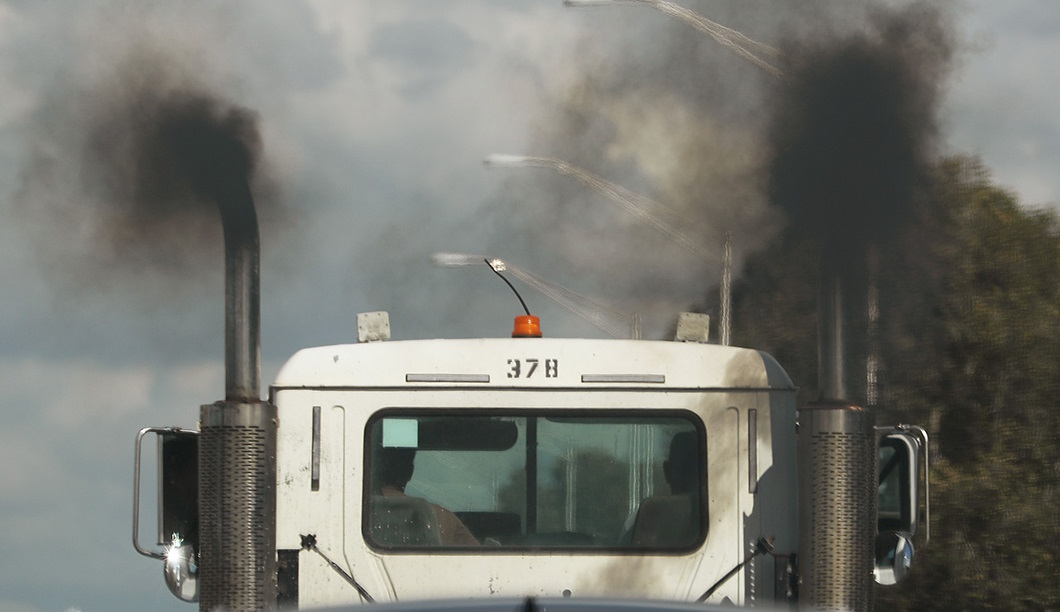
As a diesel fitter I have always been fascinated by the complex mechanisms of diesel engines. However, as I delved deeper into this field, I realized the hazardous effects of diesel engine emissions on human health and the environment. The combustion of diesel fuel produces a range of pollutants that can cause numerous issues for the environment.
In this article, I will delve into the intricate details of diesel engine emissions, their causes, effects, and potential solutions. I will also discuss the regulations and technologies being implemented to control and reduce diesel engine emissions.
Introduction to diesel engine emissions
Diesel engine emissions refer to the byproducts of the combustion of diesel fuel in an internal combustion engine. Diesel engines are widely used in transportation, construction, and power generation industries due to their high fuel efficiency and durability. However, the burning of diesel fuel produces a mixture of gases, particulate matter, and other pollutants that can have harmful effects on human health and the environment.
What are diesel engine emissions?
Diesel engine emissions are a mixture of gases, particulate matter, and other pollutants that are produced when diesel fuel is burned in an internal combustion engine. The composition and concentration of these emissions can vary depending on several factors, including the type of engine, fuel, and operating conditions.
The primary pollutants emitted by diesel engines include nitrogen oxides (NOx), particulate matter (PM), sulfur dioxide (SO2), carbon monoxide (CO), and volatile organic compounds (VOCs). These pollutants can have harmful effects on human health and the environment, including respiratory and cardiovascular diseases, acid rain, and climate change.

Health effects of diesel engine emissions
The health effects of diesel engine emissions can be severe and long-lasting. Exposure to diesel engine emissions can cause numerous respiratory and cardiovascular diseases, including asthma, bronchitis, lung cancer, and heart disease. The particulate matter (PM) emitted by diesel engines can penetrate deep into the lungs and cause inflammation, damage to lung tissue, and even premature death, but this is very rare..
The nitrogen oxides (NOx) emitted by diesel engines can react with other pollutants in the atmosphere to form ground-level ozone, which can cause respiratory problems, particularly in children and the elderly. The sulfur dioxide (SO2) emitted by diesel engines can cause acid rain, which can damage crops, forests, and waterways.
Causes of diesel engine emissions
The primary cause of diesel engine emissions is the combustion of diesel fuel in an internal combustion engine. However, several factors can affect the composition and concentration of these emissions, including the type of engine, fuel, and operating conditions.
One of the main factors affecting diesel engine emissions is the sulfur content of the fuel. High-sulfur diesel fuel can produce higher levels of sulfur dioxide (SO2), which can cause acid rain and other environmental problems. However, many countries have adopted low-sulfur diesel fuel standards to reduce the sulfur content of diesel fuel and lower the emissions of sulfur dioxide.
Another factor affecting diesel engine emissions is the engine technology. Newer diesel engines equipped with advanced emissions control technologies can produce lower levels of pollutants than older engines. However, retrofitting older diesel engines with these technologies can be expensive and may not be feasible in some cases.

Types of diesel engine emissions
There are several types of diesel engine emissions, including nitrogen oxides (NOx), particulate matter (PM), sulfur dioxide (SO2), carbon monoxide (CO), and volatile organic compounds (VOCs).
Nitrogen oxides (NOx) are a group of gases which include nitric oxide (NO) and nitrogen dioxide (NO2). These gases are produced when nitrogen and oxygen in the air react at high temperatures in the engine combustion chamber. NOx emissions can contribute to the formation of ground-level ozone and acid rain.
Particulate matter (PM) is a mixture of tiny particles that can be inhaled and cause respiratory problems. These particles can be composed of different materials, including carbon, metal, and organic compounds. PM emissions can vary in size and concentration depending on the type of engine, fuel, and operating conditions.
Sulfur dioxide (SO2) is a gas that can cause acid rain and other environmental problems. SO2 emissions are primarily produced by the combustion of high-sulfur diesel fuel.
Carbon monoxide (CO) is a poisonous gas that can cause headaches, dizziness, and even death. CO emissions are produced when diesel fuel is not burned completely.
Volatile organic compounds (VOCs) are a group of gases that can react with other pollutants in the atmosphere to form ground-level ozone. VOC emissions are produced by the incomplete combustion of diesel fuel.

Regulations to control diesel engine emissions
Several countries have implemented regulations to control and reduce diesel engine emissions. These regulations typically set standards for the maximum allowable emissions of nitrogen oxides (NOx), particulate matter (PM), and other pollutants.
In the United States, the Environmental Protection Agency (EPA) has established emissions standards for both new and existing diesel engines. These standards require the use of advanced emissions control technologies, such as diesel particulate filters (DPFs) and selective catalytic reduction (SCR) systems, to reduce the emissions of nitrogen oxides (NOx) and particulate matter (PM).
In Europe, the European Union has established similar emissions standards for diesel engines, known as Euro standards. These standards require the use of advanced emissions control technologies, such as diesel particulate filters (DPFs) and exhaust gas recirculation (EGR), to reduce the emissions of nitrogen oxides (NOx) and particulate matter (PM).
Technologies to reduce diesel engine emissions
Several technologies are being developed and implemented to reduce diesel engine emissions. These technologies typically involve the use of advanced emissions control systems, such as diesel particulate filters (DPFs) and selective catalytic reduction (SCR) systems.
Diesel particulate filters (DPFs) are devices that capture and remove particulate matter (PM) from diesel engine exhaust. DPFs are typically made of ceramic or metal and are designed to trap PM as it flows through the filter. Once the filter becomes clogged with PM, it must be cleaned or replaced.
Selective catalytic reduction (SCR) systems are devices that convert nitrogen oxides (NOx) into harmless nitrogen and water vapor. SCR systems typically use a catalyst, such as ammonia or urea, to convert NOx into nitrogen and water vapor. SCR systems can reduce NOx emissions by up to 90%.
Best practices to reduce diesel engine emissions
In addition to using advanced emissions control technologies, there are several best practices that can be implemented to reduce diesel engine emissions. These practices include:
- Using low-sulfur diesel fuel
- Maintaining engines properly
- Reducing idle time
- Using alternative fuels, such as biodiesel or natural gas
- Implementing eco-driving techniques
- Test fuel regularly to ensure it is in peak condition
By implementing these best practices, diesel engine operators can reduce their emissions and improve their environmental performance.
Diesel engine emission testing
Diesel engine emission testing is a critical process for ensuring compliance with emissions standards and verifying the performance of emissions control technologies. Emission testing typically involves measuring the concentrations of pollutants, such as nitrogen oxides (NOx) and particulate matter (PM), in the exhaust of diesel engines.
There are several methods for conducting diesel engine emission testing, including portable emissions measurement systems (PEMS), chassis dynamometers, and engine dynamometers. Each method has its advantages and disadvantages, and the choice of method depends on several factors, including the type of engine, fuel, and operating conditions.
Conclusion and future outlook
In conclusion, diesel engine emissions are a complex mixture of pollutants that can have severe and long-lasting effects on human health and the environment. However, through the implementation of advanced emissions control technologies, best practices, and regulations, we can reduce these emissions and improve our environmental performance.
Looking to the future, we can expect to see further advancements in diesel engine technology and emissions control systems. As we continue to strive for cleaner and more efficient diesel engines, we can build a more sustainable future for ourselves and future generations.
by Robert Braun | Apr 27, 2025 | Resources
Over the many years I have come across various water finding methods. Kolor Kut Water Finding Paste is a reliable and easy-to-use paste that helps detect the presence of water in fuel tanks. It’s is a simple yet effective solution for detecting water in fuel.
The paste is applied to a dipstick or gauge line, and upon contact with water, it changes color within seconds, indicating the presence of water.
In this article, I will be reviewing Kolor Kut Water Finding Paste, how it works, its benefits, user experiences, pros / cons, it’s limitations, comparison with other water finding methods, how to use it, precautions to take, frequently asked questions and where to buy it at the best price.
How does Kolor Kut Water Finding Paste work?
Kolor Kut Water Finding Paste is a chemical paste that is specifically designed to detect the presence of water in fuel.
The paste changes color upon contact with water, making it easy to determine water in the tank. When the paste comes into contact with water, it changes color from light brown to bright red, making it easy to spot the presence of water.
The paste is made of a mixture of chemical compounds that react with water to produce a noticeable color change.
The chemical reaction between the paste and water is almost immediate, taking only a few seconds to occur. This makes it easy to detect water before it causes any damage to the fuel or oil tank.

FAQ’s Kolor Kut Water Finding Paste
- Is it safe to use? Yes, Kolor Kut Water Finding Paste is safe to use when used according to the instructions provided.
- Can it be used in diesel fuel? Yes, Kolor Kut Water Finding Paste can be used in diesel fuel.
- How long does it take for the paste to change color upon contact with water? The paste changes color almost immediately upon contact with water to red.
- How accurate is it? It is highly accurate in detecting the presence of water in large amounts.
- Does it detect microbes, bugs and algae? No it does not – view our high performance microbe test kits here.
- How accurate is it for small amounts of water detection? It not very accurate in detecting the presence of water in small amounts.
How to use Kolor Kut Water Finding Paste?
Using is simple and straightforward. Here are the steps to follow:
- Clean the gauge line or dipstick before use.
- Apply a small amount of the paste to the gauge line or dipstick.
- Lower the gauge line or dipstick into the fuel or oil tank.
- Wait for a few seconds for the paste to change color.
- View the color of the paste to the to determine the level of water in the tank, red color indicates a positive result for water in large amounts.
Benefits of Kolor Kut Water Finding Paste
One of the main benefits is its fast results. The paste changes color almost immediately upon contact with water, making it easy to detect even small amounts of water. This makes it an essential tool for preventing water in fuel tanks.
Another benefit of using is its ease of use. The paste is simple to apply and can be used by anyone. It does not require any special training or equipment, making it an affordable solution for detecting water in fuel and oil tanks.
It is also versatile and can be used in a variety of applications. This makes it an essential tool for anyone working in the fuel maintenance industry.
How to Use Guide

Kolor Kut Water Finding Paste review: User experiences
I have come across many positive reviews from fuel professionals.
Many users have reported that the paste is reliable, accurate, and easy to use. They have also reported that the paste is affordable and has saved them time and money in detecting water in fuel
Users have also reported that the paste is versatile and can be used in a variety of applications. They have used the paste in pipelines, storage tanks, and fuel and oil tanks, and have reported good results.
Precautions using Kolor Kut Water Finding Paste
While using there are several precautions that you should take to ensure safety and accuracy. These precautions include:
- Avoid contact with skin and eyes. The paste can cause irritation and burns.
- Use in a well-ventilated area to avoid inhaling fumes.
- Do not use the paste near open flames or ignition sources.
- Store the paste in a cool, dry place away from heat and sunlight.
Where to buy Kolor Kut Water Finding Paste?
It can be purchased from various online retailers, as well as from local distributors and auto parts stores. It is essential to purchase the paste from a reputable supplier to ensure quality.
Conclusion
In conclusion this is an good product for anyone working in the fuel industry. It is a reliable, accurate, and easy-to-use solution for detecting water in fuel tanks in high amounts.
If you are looking for a basic solution for detecting water in fuel Kolor Kut is ok, but for detection of water in fuel in small amounts view our high performance water in diesel test kits.
by Robert Braun | Apr 27, 2025 | Resources
As a professional in the fuel industry, I understand the importance of maintaining the quality of diesel or gasoline fuel. One of the biggest threats to the quality of these materials is the presence of water.
To address this issue, I have been using Gasoila AP02 All Purpose Water Finding Paste for some time now.
In this article, I’ll share my honest review of this product, explain what it is and how it works, and answer some common questions about it.
Intro to Gasoila AP02 All Purpose Water Finding Paste
Gasoila AP02 All Purpose Water Finding Paste is a product that is designed to detect the presence of water in fuel.
It is commonly used in the fuel industry, as well as in other industries where the quality of fuel is important.
The paste is applied to the bottom of a dipstick or other measuring device, and when it comes into contact with water, it changes color to indicate its presence.

About Gasoila AP02 All Purpose Water Finding Paste
Gasoila AP02 All Purpose Water Finding Paste is a petroleum-based product that is designed to detect the presence of water in fuel tanks and other containers.
The paste is sold in a small tube, and it can be applied to the bottom of a dipstick or other measuring device.
The paste is typically green in color, but when it comes into contact with water, it changes to a bright red color to indicate its presence.
How to use Gasoila AP02 All Purpose Water Finding Paste
This is a excellent video tutorial on the use of the Gasoila paste for detecting of water in diesel fuel.
Gasoila AP02 All Purpose Water Finding Paste works by reacting with the water that is present in fuel tanks and other containers.
When the paste comes into contact with water, it reacts with the water molecules and changes color. This change in color indicates the presence of water in the fuel tank or container.
Why use Gasoila AP02 All Purpose Water Finding Paste
There are a number of reasons why you might want to use this product. First and foremost, it can help you to maintain the quality of your fuel.
Water can cause a number of problems in fuel tanks and other containers, including corrosion, microbial growth, and reduced fuel efficiency.
By detecting the presence of water early on, you can take steps to remove it and prevent these problems from occurring.
After using for some time now, I can say that I am very satisfied with its performance.
The paste is easy to use, and it provides an accurate indication of whether or not water is present in the fuel tank or container.
I have found that the paste changes color quickly when it comes into contact with water, which means that it is very sensitive.
Another thing that I like is that it is very affordable. The paste is sold in a small tube, and it can be used for a large number of tests. This means that it is a cost-effective solution for detecting the presence of water in fuel tanks and other containers.

Pros and cons of Gasoila AP02 All Purpose Water Finding Paste
Like any product, it has its pros and cons. Here are some of the things that I have found to be both good and bad about this product:
Pros:
- Easy to use
- Provides an accurate indication of water presence in large amounts
- Sensitive and reacts quickly
- Affordable
- Can be used for a large number of tests
Cons:
FAQ’s Gasoila AP02 All Purpose Water Finding Paste
Here are some common questions that people have about:
Q: Is Gasoila AP02 All Purpose Water Finding Paste safe to use?
A: Yes, Gasoila AP02 All Purpose Water Finding Paste is safe to use. It is made from petroleum-based ingredients, and it does not contain any hazardous materials.
Q: Can Gasoila AP02 All Purpose Water Finding Paste be used in diesel fuel?
A: Yes, Gasoila AP02 All Purpose Water Finding Paste can be used in diesel fuel.
Q: Can Gasoila AP02 All Purpose Water Finding Paste be used in gasoline?
A: Yes, Gasoila AP02 All Purpose Water Finding Paste can be used in gasoline.
Q: How long does it take for the paste to change color?
A: The paste changes color quickly when it comes into contact with water. In most cases, the color change is visible within a few seconds.
Q: Is Gasoila AP02 All Purpose Water Finding Paste easy to use?
A: Yes just check out the image below to see how easy it is, even granny could use it.
Q: Is Gasoila AP02 All Purpose Water Finding Paste good for finding small amounts of water?
A: The paste is not so great in finding small concentrations of water in diesel fuel, if you were needing a water detector that can identify nano amounts of water check our our high performance test kits here.

Where to buy Gasoila AP02 All Purpose Water Finding Paste
The product can be purchased from a variety of online retailers and industrial supply stores.
If you are unsure where to purchase the product, you can check with your local auto store or search online for a retailer that sells it like Amazon or eBay.
Conclusion
Based on my experience using, I would definitely recommend it to others in the fuel industry.
The paste is easy to use, affordable, and provides an accurate indication of whether or not water is present in fuel tanks and other containers.
While there are some minor drawbacks to using, the benefits far outweigh them. If you are looking for an effective and affordable solution for detecting the presence of water in fuel tanks.
Gasoila AP02 All Purpose Water Finding Paste is definitely worth trying.
by Robert Braun | Apr 26, 2025 | Resources
Despite the fact that there are over 260 types of bacteria and fungi there is only several bugs that can live and grow in fuels and oils
In the interface between fuel and water microorganisms live In the water, they feed and grow on fuel oils and water in the bottoms of tanks.
The equipment that uses contaminated fuel is not only hazardous to the engine but also creates and inefficient power plant. Filters and lines are clogged by bugs and the by-products contain acid which can aid in fuel tanks too corrode and rubber hoses and seals deform and leak. Expensive equipment fuel pumps are subjected to increased wear and Injector deposits can lead to engine misfires. The worst case is you engine may stop at the worst possible time while at sea or when your emergency power generator is required to run.

Since even the smallest Nano level of contamination can cause these problems listed above so you really need to test your fuel on a regular basis.
The HumBug kit is designed to detect microbes in your diesel fuel, the detection results are either positive or negative so the kit is simple to use and takes 24 to 48 hours to confirm a positive or negative result.
It the result is positive for the existence of these bugs this indicates to the user if he needs to treat the fuel with a biocide or not. By detecting an infestation early and treating it, the size of the infestation can be limited and nulled in most situations.
- Take a sample of fuel from the bottom of your tank.
- Remove the test cap’s center seal by peeling it back, do not to touch the rubber cap.
- Draw sample from the fuel with the syringe.
- Remove more than one CC / ML of fuel from your sample. Expel any air bubbles and excess fuel above one CC / ML on the syringe and inject the fuel into the test bottle.
- Replace the needle guard, and dispose of syringe in a safe manner.
- Shake the test bottle vigorously for 1 minute and return it to the tube box and install the caps.
- For 24 to 48 hours, place the tube box in a dark spot as bugs love to replicate with the lights off 🙂
- In the case of active microbial growth within the 24 to 48 hours incubation period the test bottle bottom should turn pink or red to indicate a positive result.
Treatment of a positive result will require the use of an additive from the Biobor range of products.
Pros
- Good for bug detection in diesel fuel
- Quick results in 24 to 48 hours
- Easy to use
Cons
Summary
We do recommend the HumBug test kit for bacterial only testing, you can view our alternative fuel bug test kits here or our bug, water and quality tests here.
by Robert Braun | Apr 25, 2025 | Resources
One of the critical components of a well-maintained fleet is the quality of the diesel fuel that powers it. Poor-quality fuel can lead to engine damage, decreased efficiency, and increased maintenance costs. That’s why will discuss the FuelStat® diesel fuel testing kits. In this article, I’ll provide a review of these kits and offer our honest opinion on their effectiveness.
Introduction to FuelStat® Diesel Fuel Testing Kits
Conidia Bioscience is the company that produces these testing kits. The test kits allow users to test the quality of their fuel quickly and easily. The kits use a patented technology that detects microbe contamination that can be harmful to diesel fuel. The tests can be conducted in-field without the need to send samples to a lab, saving time and money.
Importance of Diesel Fuel Quality Testing
Testing diesel fuel quality is essential because it helps prevent engine damage and downtime from poor fuel. By testing fuel regularly, fleet managers or equipment owners can detect problems early and take corrective action before they cause significant damage from using poor quality fuel.
How to Use FuelStat® Diesel Fuel Testing Kits
FuelStat® diesel testing kits are relatively simple to use; they work a bit like the style of a pregnancy or Covid rapid test.
After processing the sample as per the instructions the samples are loaded onto the test paddles containing the FuelStat® reagent.
Results can be had in just 30 minutes by viewing the control lines on the test paddles and referring to the instructions or by using the free app.
The test provides results based on a simple scenario:
- Negligible contamination
- Low contamination
- High contamination
Benefits of Using FuelStat® Diesel Fuel Testing Kits
The benefits of using these diesel fuel testing kits are numerous. First and foremost, the kits provide an easy way to test fuel for microbe contamination on-site. This saves time and money compared to sending samples to a lab for testing.
Experiences with FuelStat® Diesel Fuel Testing Kits
Customers have had positive experiences with FuelStat® diesel fuel testing kits.
Customers reported that the tests were easy to perform and helped them detect microbe growth in their fuel.
Overall, customers appreciate the convenience and accuracy of these diesel fuel testing kits.
How to Purchase FuelStat® Diesel Fuel Testing Kits
These diesel fuel testing kits can be purchased from the info on FuelStat® website or from authorized dealers.
Conclusion
In conclusion these kits are an effective way to test fuel for microbe contamination.
They are easy to use, fast, accurate, and conveniently portable for use in the field as needed.
We recommend these fuel testing kits to ensure the quality of your fuel too avoid problems and downtime.